Barion Pixel

Blog

Geospatial

Tech Chat | How to Stakeout Points Using Azimuth & Distance

In modern GNSS surveying, stakeout tasks typically rely on maps with known coordinates. However, in some countries like the United States, Canada, or parts of Europe — especially when working with legacy survey maps, forestry records, or cadastral plans — point positions are are described not by coordinates, but by their azimuth and distance relationships.
Read more
Geospatial

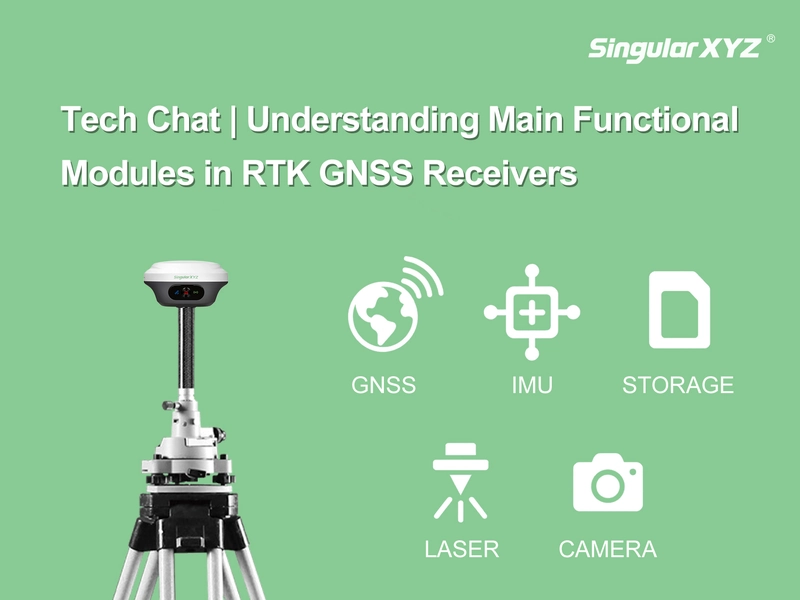
Tech Chat | Understanding Main Functional Modules in RTK GNSS Receivers

In the previous blog, we explored the communication system built into the mainboard of an RTK GNSS receiver — detailing how it supports data transmission through various wireless and wired interfaces. Continuing this series, today's blog will focus on the main functional modules integrated into the receiver's mainboard. These components are crucial for achieving high-precision positioning and enabling smart field applications.
Read more
Geospatial

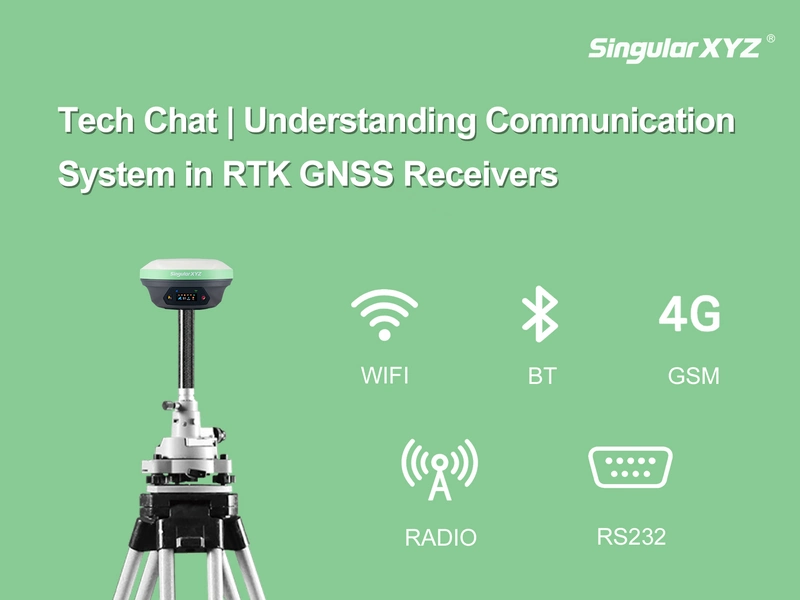
Tech Chat | Understanding The Communication Interfaces in RTK GNSS Receivers

In our earlier blog, we explored the overall structure of RTK GNSS receivers and mentioned the mainboard as one of the core components. The mainboard itself integrates various elements, such as the GNSS module, system platform, functional modules, and communication systems. In this blog, we’ll focus specifically on the communication systems built into the mainboard. Other parts will be discussed in future posts in this series.
Read more
Geospatial

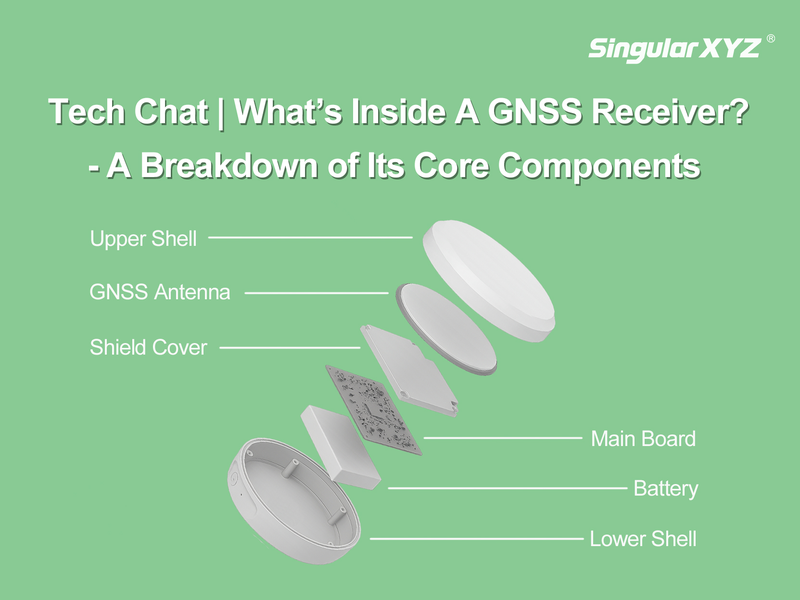
Tech Chat | What’s Inside a GNSS Receiver? ‑ A Breakdown of Its Core Components

Most surveyors are well-acquainted with the various models and features of GNSS receivers—but have you ever wondered what's hidden inside that compact and rugged housing? Despite differences in shape or manufacturer, most GNSS RTK receivers share a common internal architecture designed to ensure optimal performance in signal tracking, processing, and power management.
Read more